B2B vs D2C: Key Differences and How MRP Systems Support Both Models
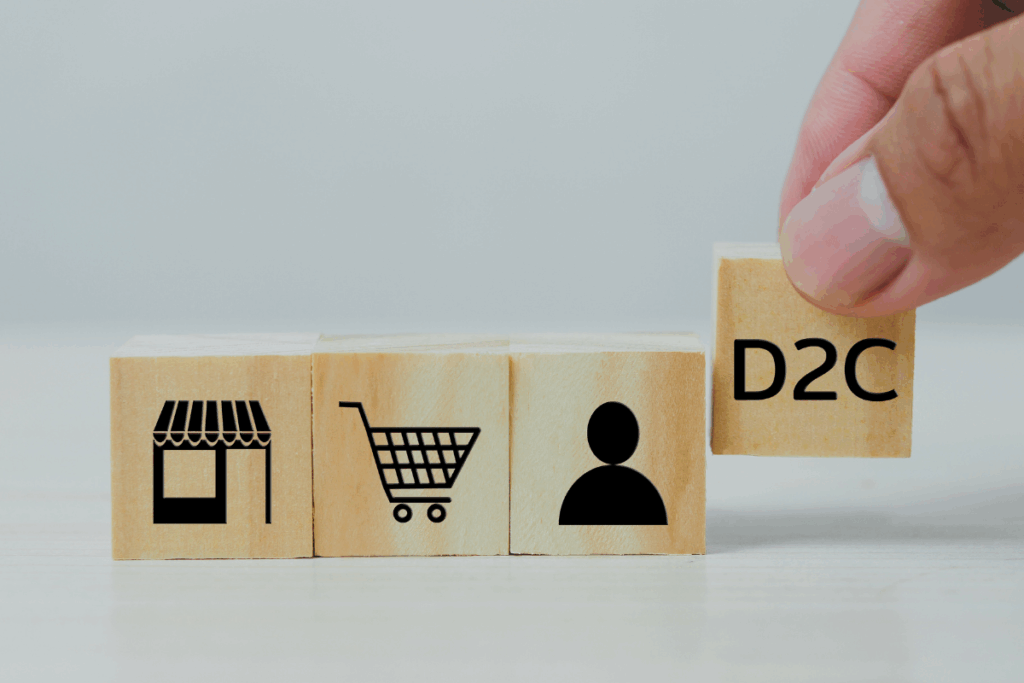
In today’s fast-paced and digitally driven market, the comparison between B2B and D2C has become a key topic for companies deciding how to reach their customers and streamline operations.
Both Business-to-Business (B2B) and Direct-to-Consumer (D2C) approaches offer valuable growth opportunities — but they also come with unique operational challenges in areas like production, inventory management, and customer engagement.
To stay competitive, many businesses are turning to MRP systems that simplify and optimize these processes across both models.
What is B2B?
In a Business-to-Business (B2B) model, companies sell products or services to other businesses — often in bulk, under long-term agreements.
This model prioritizes supply chain stability, accurate forecasting, and efficient fulfillment. B2B transactions generally involve:
- Larger order volumes
- Complex buying processes with multiple decision-makers
- Longer sales cycles
Because of this, precise production planning and reliable inventory control are critical for success in B2B environments. MRP systems help businesses achieve this by providing real-time visibility into material availability and production capacity.
What is D2C?
In contrast, Direct-to-Consumer (D2C) businesses sell directly to end customers, often through e-commerce platforms or digital marketplaces.
This approach eliminates intermediaries, giving brands full control over pricing, customer data, and brand experience.
Key features of D2C include:
- Smaller but more frequent orders
- Shorter sales cycles
- Personalized customer interactions
To keep up with dynamic consumer demand, D2C brands need flexible systems that synchronize inventory, production, and fulfillment — exactly what MRP systems provide.
How MRP Systems Support Both B2B and D2C Models
Regardless of model, one thing remains true: MRP systems are essential for managing complexity, reducing waste, and improving customer satisfaction.
1. Smarter Inventory Control and Forecasting
- B2B: MRP systems help forecast large-volume orders, avoiding costly overproduction or shortages.
- D2C: Brands gain real-time insight into product trends, helping them stay ahead of shifting consumer preferences.
2. Efficient Production Planning and Scheduling
- B2B: Automation ensures timely delivery and supports customized production runs.
- D2C: Quick scheduling adjustments allow brands to keep up with spikes in demand and prevent stockouts.
3. Cost Optimization
- B2B: Streamlined production workflows reduce overhead and resource waste.
- D2C: Dynamic production alignment minimizes excess stock and improves cash flow.
4. Improved Customer Satisfaction
- B2B: Consistent supply and reliability strengthen long-term business relationships.
- D2C: Fast, accurate fulfillment and personalized service boost customer loyalty.
Whether operating in B2B or D2C markets, success depends on efficiency, agility, and customer satisfaction.
While these two models differ in structure and scale, both gain measurable advantages from adopting MRP systems.
By unifying financial, operational, and customer data, MRP software helps companies reduce costs, optimize production, and deliver exceptional results — no matter their business model.
In short, MRP systems are the foundation for scalable, data-driven growth in both B2B and D2C environments.